
Sell Your South Tampa Home Fast: Pricing, Staging & Local Market Timing (2026)
If your goal is a faster sale at a stronger price in South Tampa, your three biggest levers in 2026 are pricing precision, show-ready staging, and hyper-local timing. Here’s how to align all three so you beat competing listings and shrink your days on market in Tampa.
First-Time Homebuyer Programs in Tampa Bay (FHA, VA, Conventional, Down-Payment Help)
Buying your first home in Tampa Bay doesn’t have to feel overwhelming. With the right loan program and smart use of Tampa down payment assistance options, you can lower cash-to-close, lock in a competitive rate, and step into the right neighborhood with confidence. Here’s your clear, no-fluff guide.
Moving to Tampa from New York: Cost of Living, Taxes & Commute (SunPass vs. NYC)
Trading subway swipes for sunshine? If you’re moving to Tampa from NYC, the biggest day-to-day changes show up in your housing costs, taxes, and commute math. Here’s a practical guide to price your true monthly, switch residency the right way, and understand SunPass vs. NYC driving costs—without surprises.
Waterfront Living in Tampa: Best Bays, Canals & Flood-Smart Buying Tips
Dreaming of coffee at sunrise and boat rides by sunset? Tampa waterfront homes deliver a daily dose of salt air, skyline views, and quick access to the bay. The key to buying right is understanding which waters fit your lifestyle—and how to stay flood-smart so your “true monthly” (mortgage + insurance + taxes) stays predictable.
South Tampa Homes for Sale: 2026 Neighborhood Guide (Hyde Park, SoHo, Palma Ceia, Davis Islands)
Thinking about South Tampa? You’re looking at some of the best neighborhoods in Tampa—walkable streets, top dining, A-rated schools, and fast access to Downtown, Water Street, Bayshore Boulevard, and TPA. This 2026 guide breaks down Hyde Park, SoHo, Palma Ceia, and Davis Islands so you can find the right fit (and the right offer strategy).
Homestead, HOA/CDD Fees & Taxes: The Real Cost of Owning in Florida
Breaking down Homestead/Save Our Homes, how HOA & CDD fees work (vs. NYC common charges), and what to budget for new construction vs. resale
Buying in Florida is simpler than a NYC co-op—but the cost structure is different. Beyond principal and interest, your true monthly payment depends on Homestead/Save Our Homes, HOA (or condo) dues, potential CDD fees, insurance, and flood insurance. Here’s a clear guide to help you price a home like a local.

Flood Zones, Wind Mitigation & Insurance: Pricing a Florida Home the NY Way
A step-by-step guide to reading flood maps, roof age/shape, wind-mit credits—and how these change your “true monthly” vs. a NYC mortgage + HOA
New Yorkers are pros at comparing mortgage + HOA/common charges. In Florida, you’ll still do that—but you’ll also price wind/hurricane insurance, flood risk, roof age/shape, and mitigation credits. Get those right, and you’ll avoid surprises and negotiate smarter.
Below is a practical, step-by-step playbook you can use for any Tampa Bay (or Florida) property.
Bye Co-op Boards, Hello Condos/HOAs: What NY Buyers Must Know About Florida Associations
How Florida condo/HOA approvals differ from NYC co-op boards—plus the documents to review (budgets, reserves/SIRS, special assessments, rental rules)
If you’re a New Yorker moving south, Florida’s association world will feel refreshingly different. Instead of grilling interviews and board vetoes, most Florida purchases run through condo or HOA associations with a documentation-driven review. Here’s how the process works, where it’s easier, and what you still need to scrutinize before you go under contract.
Housing Affordability Laws: Florida’s Live Local Act
Zoning incentives, density, and workforce-housing policy—and how they’re shaping where newcomers can buy or rent
Florida’s Live Local Act (2023) and its 2024 amendments changed the math on where homes can be built—and how quickly. If you’re relocating from New York (with tight zoning and aggressive short-term rental enforcement), Florida’s approach is different: the state preempts some local limits so mixed-income multifamily can rise in commercial/industrial areas—so long as a chunk of units are kept affordable. Here’s what that means for buyers, renters, and small investors.
Short-Term Rentals & Local Ordinances: Florida vs. NYC
How state preemption, city rules, and condo/HOA bylaws affect hosts—and what to check before you list
Thinking about hosting your place when you move from New York to Florida? Great idea—but the rulebooks are very different. New York City’s Local Law 18 created one of the toughest STR regimes in the country, while Florida uses state preemption (with local carve-outs) plus a separate state lodging license. Here’s what that means in practice—and a punch-list to stay compliant.
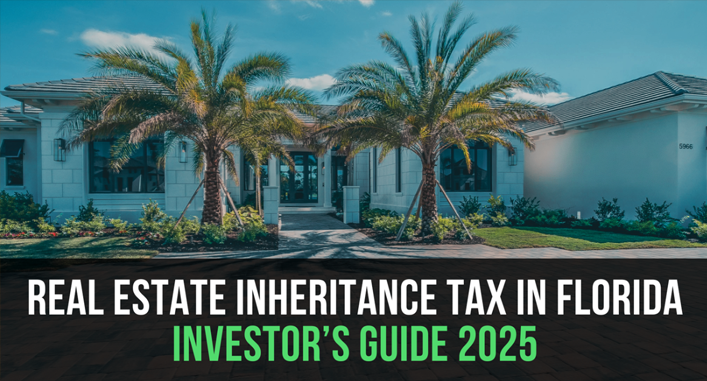
Estate & Inheritance Planning: New York Estate Tax vs. Florida
Why many retirees re-paper wills and trusts after a move—plus titling and homestead nuances
Relocating from New York to Florida can simplify income taxes—but it also changes your estate plan. New York has a state estate tax; Florida does not. Florida also has unique homestead protections and spousal rights that affect how you title your home and who inherits it. That’s why so many retirees re-sign wills, trusts, and deeds once they settle in the Sunshine State.
This guide explains the key differences and a practical checklist to make your plan “Florida-correct.”

Alimony Reform & Family Law Differences: Florida vs. New York
Key shifts in Florida’s alimony framework vs. NY standards—and how relocating couples should plan
Thinking about moving from New York to Florida during (or after) a separation? The rules for support and parenting look very different in each state. Florida overhauled alimony in 2023, while New York continues to use guideline formulas and advisory duration ranges. Here’s the plain-English comparison—with practical next steps.
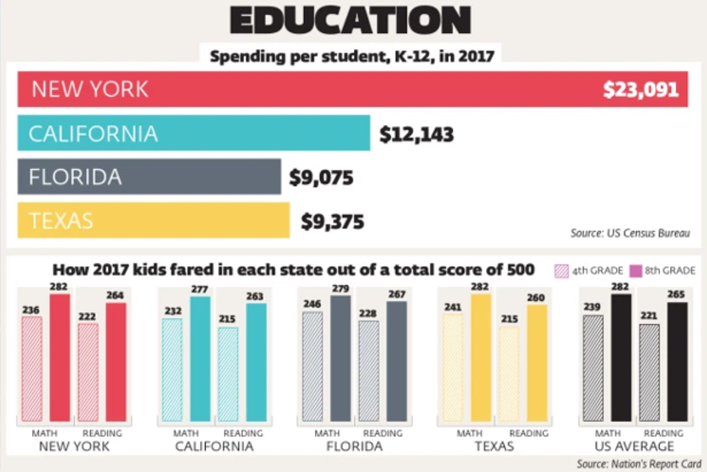
School Choice & Education Policy: Florida vs. New York
How vouchers/ESAs and charter rules shape where families settle
When families compare a move from New York to Florida, schools and education policy are often the tie-breaker. Florida now runs one of the broadest school-choice ecosystems in the country, centered on education savings accounts (ESAs) and multiple scholarship pathways. New York, by contrast, is anchored in district schools with capped charter growth and no statewide voucher/ESA program. Here’s what that means for day-to-day options—and your address search.

Condo Laws & Milestone/SIRS Requirements in Florida
What New Yorkers must review in HOAs before buying
Florida tightened condo safety rules after the Surfside tragedy. If you’re relocating from New York—and eyeing a Florida condo—you’ll need to understand two pillars: Milestone Inspections (structural checkups) and SIRS (Structural Integrity Reserve Studies for funding). Done right, these protect owners and buildings; ignored, they can mean surprise special assessments and loan issues.

Property Insurance Reforms in Florida: What NY Movers Need to Know
Recent changes to litigation, roof claims, and assignment-of-benefits—and what that means for premiums vs. NY
Florida’s property-insurance market has changed fast over the last few years. Lawmakers targeted lawsuit volume, roof-claim abuse, and third-party assignment-of-benefits (AOB)—and those reforms meaningfully affect how claims get handled, what your policy covers, and ultimately what you pay. Here’s a plain-English guide for New Yorkers considering a move.

Landlord–Tenant Laws: New York Protections vs. Florida Flexibility
Security deposits, notice periods, rent rules—how investors and renters should plan when switching states
Moving between New York and Florida isn’t just a climate change—it’s a legal one. From security-deposit limits to notice periods and rent-control policy, the rulebook you operate under as a landlord or renter shifts in important ways. Here’s a practical, side-by-side guide.

Remote Work Taxes: NY’s “Convenience of the Employer” Rule
How remote NY workers can get double-taxed—and why changing domicile to Florida can change the math
If you’re leaving New York for Florida to cut taxes, there’s a catch many movers miss: New York’s “convenience of the employer” rule can keep taxing your wages even after you move—if your job is still tied to a New York office. Here’s what the rule means, how double-tax can happen, and the specific steps that actually shift the math in your favor.
Homestead Exemption & “Save Our Homes” Portability
How Florida’s constitutional protections cap assessments and shield equity—what NY movers must file and when
If you’re moving from New York to Florida, the two biggest property-tax tools to understand are Florida’s Homestead Exemption and Save Our Homes (SOH) Portability. Used correctly, they can lower your tax bill now and protect you from big assessment jumps later—plus let you carry tax savings to your next Florida home. Here’s how they work and the filing timeline New Yorkers need to hit.

No State Income Tax: Domicile Rules NY vs. FL
Moving from New York to Florida can meaningfully lower your annual tax bill—but only if you properly change your residency. That means two parallel tasks: (1) stop being taxed as a New York resident, and (2) start being recognized as a Florida domiciliary. Here’s the plain-English playbook.

NYC Congestion Pricing vs. Florida Commute Costs: What Movers Actually Save
If you’re a New Yorker eyeing Florida, the biggest money swing you’ll feel day-to-day isn’t coffee or rent—it’s driving costs. New York’s new Congestion Relief Zone tolls changed what it costs to bring a car into Manhattan, while Florida’s SunPass world rewards frequent highway users with the lowest per-mile rates. Here’s how the math—and the lifestyle—compare.